
Healthy Snacks for Kids That They'll Actually Eat
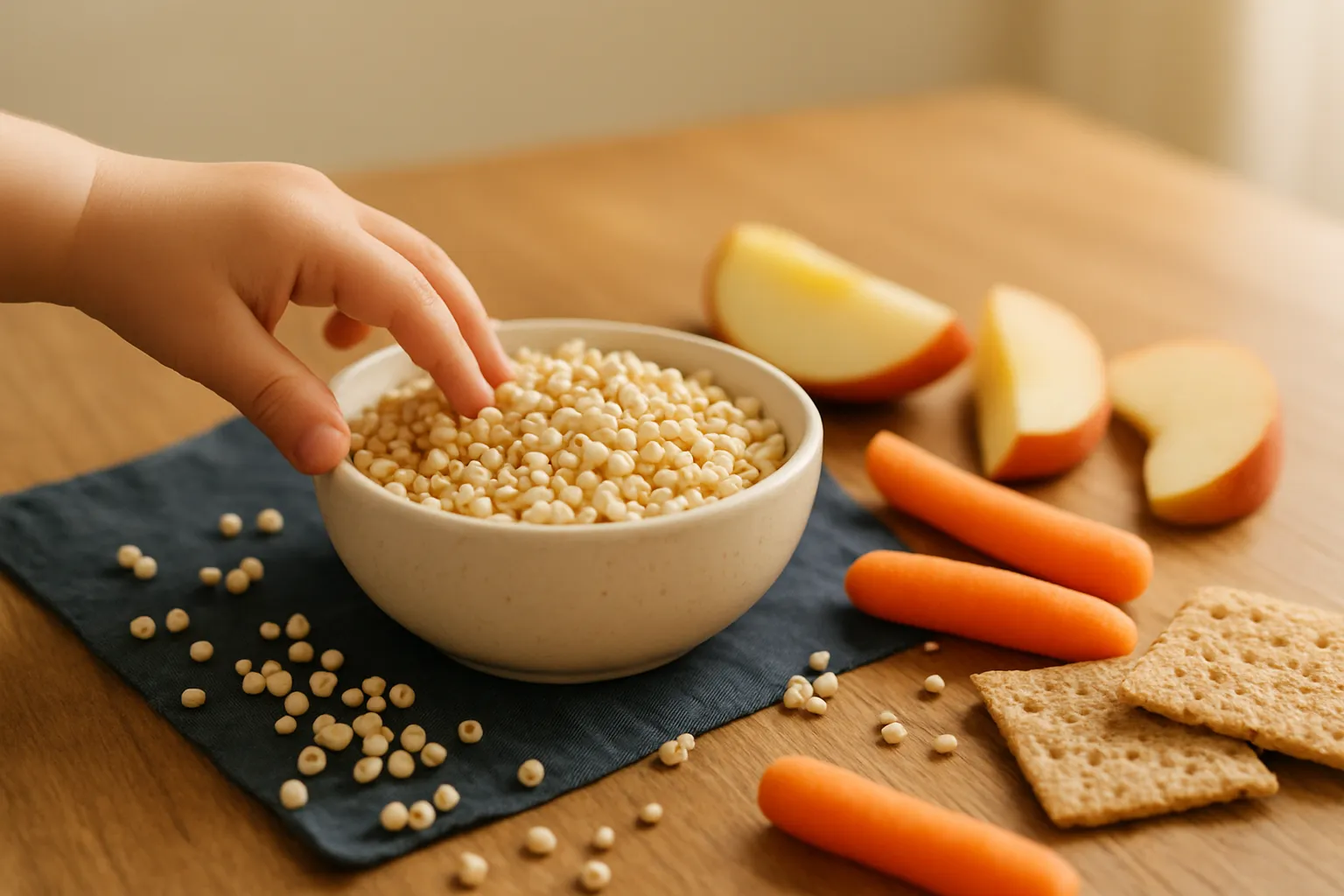
Healthy snacks for kids combine whole grains, protein, and nutrients without added sugars. Top options include popped sorghum like SORGO Mini Pops, fresh fruit with nut butter, veggie sticks with hummus, and whole grain crackers with cheese. Choose snacks with 3g protein and 2g fiber per serving.
What makes a snack actually healthy for kids?
A healthy kids' snack contains at least 3 grams of protein or 2 grams of fiber, minimal added sugars (under 6 grams), and recognizable whole food ingredients.
The best healthy snacks for kids deliver real nutrition without a nutrition degree to decode the label. Look for whole grains, protein, healthy fats, or fiber in every snack you pack. These nutrients keep kids satisfied between meals and prevent the blood sugar crash that turns sweet angels into cranky monsters.
Skip anything with added sugars in the first three ingredients. The American Heart Association recommends kids ages 2-18 consume less than 25 grams of added sugar daily, but the average kid eats 17 teaspoons (about 68 grams). Snacks are a major culprit, so this is where you can make the biggest impact.
Check serving sizes too. Many snack packages look single-serve but contain 2-3 servings, tripling the sugar and calorie counts. If your kid can demolish the whole bag in one sitting (and they will), calculate nutrition based on the whole package.
What are the best whole grain snacks for kids?
Popped sorghum, air-popped popcorn, whole grain crackers, and oat-based snacks provide filling fiber and sustained energy without the sugar crash of refined grains.
Whole grains beat refined grains every time because they contain the bran, germ, and endosperm. That means more fiber, B vitamins, and minerals that actually fuel growing bodies. Popped sorghum like SORGO Mini Pops delivers all the crunch kids crave in a gluten-free, non-GMO whole grain that won't get stuck in their teeth like popcorn.
Air-popped popcorn is another solid choice if you skip the butter-and-salt bomb from the movie theater. Make it at home and let kids season it themselves with cinnamon, nutritional yeast, or a light drizzle of olive oil. Whole grain crackers paired with cheese or hummus add protein to the fiber for staying power.
Oat-based snacks like overnight oats or homemade granola bars work great for kids who prefer softer textures. Look for versions with nuts, seeds, or nut butter to boost protein and healthy fats.
Which protein-rich snacks do kids actually like?
Kids need protein for growth, muscle development, and sustained energy, but they're not exactly lining up for plain chicken breast. The trick is pairing familiar favorites with protein-rich additions they won't notice or complain about.
String cheese, Greek yogurt with berries, hard-boiled eggs, and nut butter with apple slices all deliver 6-10 grams of protein per serving. Hummus with veggie sticks or whole grain crackers provides plant-based protein plus fiber. Edamame (steamed soybeans) are surprisingly popular with kids who like the fun of popping beans out of pods.
For nut-free schools or allergies, try sunflower seed butter, roasted chickpeas, or mini turkey and cheese roll-ups. These pack the same protein punch without triggering allergy protocols.
How do I get my kids to eat vegetables as snacks?
Most kids won't demolish a plate of raw broccoli, but they will eat veggies when you make them fun and pair them with something tasty. Presentation and dips are your secret weapons here.
Cut cucumbers, bell peppers, carrots, and cherry tomatoes into sticks or fun shapes. Serve with ranch dressing, hummus, guacamole, or tzatziki for dipping. Kids are 3 times more likely to eat vegetables when there's a dip involved, according to research from Cornell University. Let them do the dunking and they'll eat way more than you'd expect.
Veggie chips made from kale, sweet potato, or beets can work, but read labels carefully. Many brands are fried and loaded with sodium, making them no healthier than regular potato chips. Baked versions or homemade chips give you more control over ingredients.
What are quick healthy snacks for kids on the go?
The best on-the-go snacks require zero prep and survive being thrown in a backpack or diaper bag. Portability matters when you're rushing between soccer practice and piano lessons.
Pre-portioned options are lifesavers here. Individual bags of SORGO Mini Pops, single-serve nut butter packets, string cheese, fruit pouches (look for 100% fruit with no added sugar), and trail mix with nuts and dried fruit all travel well. Fresh fruit like bananas, apples, and clementines come in nature's own wrapper and need no refrigeration.
Prep snack bags on Sunday for the whole week. Portion out crackers, cheese cubes, grapes, and popped sorghum into small containers or reusable bags. When your kid yells they're starving at 3 PM, you can grab and go without thinking.
Are there healthy snacks for kids with food allergies?
Naturally allergen-free snacks like popped sorghum, fresh fruits and vegetables, seed butters, and allergen-free crackers provide safe options for kids with common food allergies.
Food allergies affect 1 in 13 kids, making label reading and ingredient awareness non-negotiable. The good news is plenty of naturally allergen-free snacks taste great and deliver solid nutrition.
For gluten allergies or celiac disease, choose certified gluten-free whole grains like popped sorghum, rice cakes, or gluten-free oat snacks. SORGO Mini Pops are naturally gluten-free, made from whole grain sorghum with nothing artificial. For nut allergies, swap to sunflower seed butter, tahini, or soy nut butter paired with apple slices or celery.
Always check labels even on seemingly safe foods. Cross-contamination happens in manufacturing facilities, and allergens hide in unexpected places. Look for clear allergen statements and certified allergy-friendly logos when shopping for kids with serious allergies.
How can I make healthy snacks more appealing to picky eaters?
Picky eaters aren't trying to ruin your life, they're just wired to be suspicious of new foods. The solution is making healthy snacks look, feel, and taste like the foods they already love.
Use cookie cutters to shape sandwiches, cheese, and even watermelon into fun designs. Create snack boards with a variety of colors, textures, and options so they can pick and choose. Let kids help prepare snacks, because they're more likely to eat something they made themselves. Even toddlers can wash grapes or arrange crackers on a plate.
Rename foods to sound more exciting. Broccoli becomes tiny trees, cauliflower is snowball bites, and popped sorghum is mini astronaut food. Silly names work surprisingly well on kids under 8. For older kids, focus on the benefits they care about: energy for sports, better focus for school, or clearer skin for teens.
Quick answers
What are the healthiest packaged snacks for kids?
The healthiest packaged snacks contain whole grains, minimal added sugar (under 6g per serving), and at least 2-3g of fiber or protein. Top options include popped sorghum like SORGO Mini Pops, whole grain crackers, unsweetened applesauce pouches, string cheese, and roasted chickpeas. Always check ingredient lists for artificial additives and excessive sodium.
How many snacks should kids eat per day?
Most kids need 1-3 snacks per day depending on age, activity level, and meal timing. Preschoolers typically need 2-3 snacks, while school-age kids usually need 1-2 snacks between meals. Snacks should be 100-200 calories and eaten 2-3 hours before meals to avoid spoiling appetite.
Can healthy snacks replace meals for kids?
Snacks should supplement meals, not replace them. While nutritious snacks provide important nutrients and energy between meals, kids need balanced meals with protein, complex carbohydrates, healthy fats, and vegetables for proper growth and development. Reserve snacks for genuine hunger between meals rather than meal replacements.
What snacks should I avoid giving my kids?
Avoid snacks high in added sugars (candy, cookies, sweetened yogurt), heavily processed foods with artificial colors and preservatives, sugary drinks including juice boxes, and anything with trans fats. Also skip snacks marketed as healthy but loaded with hidden sugars like granola bars, flavored crackers, and fruit snacks that are mostly corn syrup.
Are popped grains like popped sorghum healthy for kids?
Yes, popped whole grains like popped sorghum are excellent healthy snacks for kids. They provide whole grain fiber, are low in calories, and satisfy the crunch factor kids love. Popped sorghum is naturally gluten-free, contains no hulls that get stuck in teeth, and comes in kid-friendly flavors without artificial ingredients.
Keep reading
What Is Sorghum? The Ancient Grain Behind the Crunch
Sorghum is a cereal grain that has been cultivated for over 5,000 years, making it one of the oldest food crops on earth. It is naturally gluten-free, non-GMO, and whole grain. SORGO uses sorghum because it pops like popcorn but produces smooth, hull-free mini pops — no teeth mess, no sharp edges, just light crunch.
Read it →Gluten-Free Snacks That Actually Crunch
The best gluten-free snacks are ones that are naturally gluten-free — not engineered substitutes. Popped sorghum, popcorn, nuts, seeds, and corn tortilla chips are all gluten-free by nature, with popped sorghum standing out as the lightest crunch of the group: whole grain, hull-free, and made for flavor dusting.
Read it →