
Is Sorghum Gluten Free? What You Need to Know
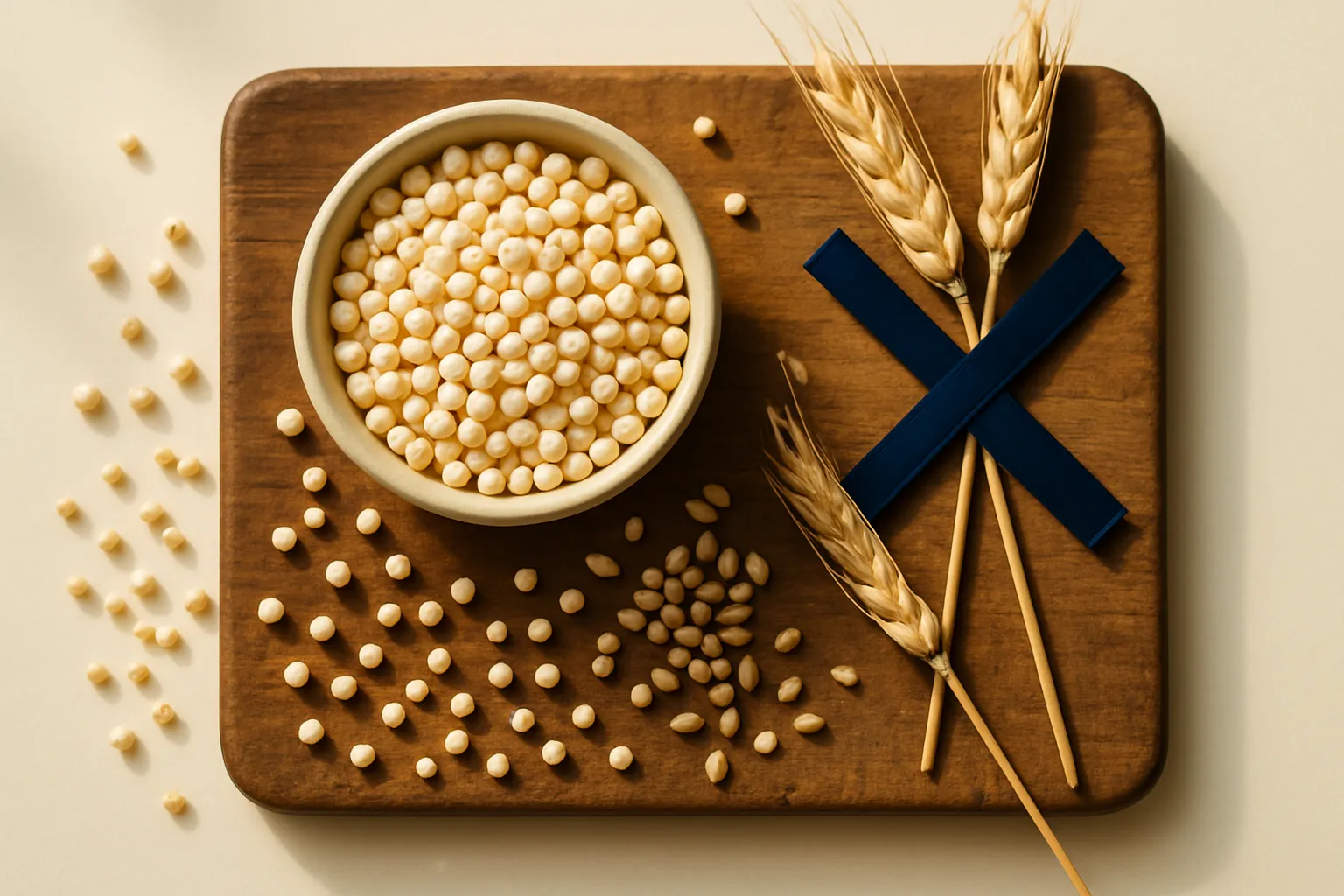
Yes, sorghum is completely gluten free. This ancient cereal grain contains zero gluten proteins, making it safe for people with celiac disease and gluten sensitivity. SORGO uses popped sorghum to make Mini Pops, a naturally gluten-free snack that's whole grain, non-GMO, and hull-free.
Is sorghum gluten free?
Sorghum (Sorghum bicolor) is a naturally gluten-free ancient grain that contains no gluten proteins.
Yes, sorghum is 100% gluten free. Unlike wheat, barley, and rye, sorghum contains no gluten proteins. It's safe for anyone with celiac disease or gluten sensitivity.
Sorghum is an ancient cereal grain that's been eaten for thousands of years. It's naturally free of the proteins that trigger gluten-related reactions. You don't need to process it or remove anything to make it gluten free.
What makes sorghum different from gluten grains?
Gluten is found only in wheat, barley, rye, and their derivatives, while sorghum belongs to an entirely different botanical family.
Gluten is a protein found in wheat, barley, and rye. Sorghum doesn't contain these proteins because it's from a different plant family. Think of it like comparing apples to oranges, they're both fruit but completely different.
When people with celiac disease eat gluten, their immune system attacks their small intestine. Sorghum doesn't trigger this reaction at all. It's one of the safest grain alternatives for a gluten-free diet.
Can people with celiac disease eat sorghum?
Yes, people with celiac disease can safely eat sorghum. It's recognized by celiac organizations worldwide as a safe gluten-free grain. The Celiac Disease Foundation includes sorghum on its list of naturally gluten-free grains.
The only concern is cross-contamination. If sorghum is processed in a facility that also handles wheat, it could pick up gluten traces. Always look for certified gluten-free labels if you have celiac disease or severe gluten sensitivity.
How does sorghum compare to other gluten-free grains?
Sorghum stands out among gluten-free grains because it's a true whole grain with all three parts intact: bran, germ, and endosperm. Rice and corn often lose nutrients during processing, but whole grain sorghum keeps everything.
It's also more sustainable than many alternatives. Sorghum is drought-tolerant and grows in tough conditions where other crops struggle. This makes it more environmentally friendly than water-hungry grains like rice.
What are the best ways to eat gluten-free sorghum?
You can cook sorghum grain like rice, use sorghum flour in baking, or eat popped sorghum as a snack. Whole grain sorghum takes about 45 to 60 minutes to cook and has a chewy texture similar to farro or wheat berries.
Popped sorghum is one of the easiest and tastiest ways to enjoy this grain. When heated, the moisture inside sorghum kernels turns to steam and the grain explodes into small, round pops. These pops are about a quarter the size of popcorn and have no hulls.
SORGO turns popped sorghum into Mini Pops, a crunchy gluten-free snack that's whole grain and non-GMO. Unlike popcorn, nothing gets stuck in your teeth. Check out sorgosnacks.com/shop for bags coming soon.
Does sorghum flour contain gluten?
No, sorghum flour is gluten free. It's ground from whole sorghum grain, which naturally contains no gluten. Many gluten-free flour blends include sorghum flour because it has a mild, slightly sweet flavor.
Sorghum flour works well in recipes for bread, pancakes, cookies, and muffins. It's often combined with other gluten-free flours like rice flour or tapioca starch to improve texture. Always check that your sorghum flour is labeled gluten free to avoid cross-contamination issues.
Quick answers
Is sorghum safe for people with celiac disease?
Yes, sorghum is completely safe for people with celiac disease. It contains no gluten proteins and is recognized as a safe grain by celiac organizations. Just look for certified gluten-free labels to avoid cross-contamination.
Does popped sorghum contain gluten?
No, popped sorghum is naturally gluten free. SORGO Mini Pops are made from popped sorghum and are certified gluten free, whole grain, and non-GMO.
Can sorghum be contaminated with gluten?
Sorghum itself is gluten free, but it can be contaminated if processed in facilities that also handle wheat, barley, or rye. Choose products with certified gluten-free labels if you have celiac disease.
What gluten-free grains are similar to sorghum?
Other naturally gluten-free grains include quinoa, millet, amaranth, rice, and corn. Sorghum stands out because it's a true whole grain that's also drought-tolerant and sustainable.
Is sorghum flour gluten free?
Yes, sorghum flour is gluten free. It's ground from whole sorghum grain and is often used in gluten-free baking. Look for certified gluten-free sorghum flour to ensure no cross-contamination.
Keep reading
What Is Sorghum? The Ancient Grain Behind the Crunch
Sorghum is a cereal grain that has been cultivated for over 5,000 years, making it one of the oldest food crops on earth. It is naturally gluten-free, non-GMO, and whole grain. SORGO uses sorghum because it pops like popcorn but produces smooth, hull-free mini pops — no teeth mess, no sharp edges, just light crunch.
Read it →Best Whole Grain Snacks — A Crunch Guide
The best whole grain snacks are made from intact or minimally processed grains — not refined flour with bran sprinkled back in. SORGO Mini Pops are popped whole-grain sorghum: every pop is an entire kernel, popped. That's as whole grain as a snack gets — lighter than chips, crunchier than puffs, and naturally gluten-free.
Read it →