
Sorghum Benefits: Why This Ancient Grain Beats Popcorn
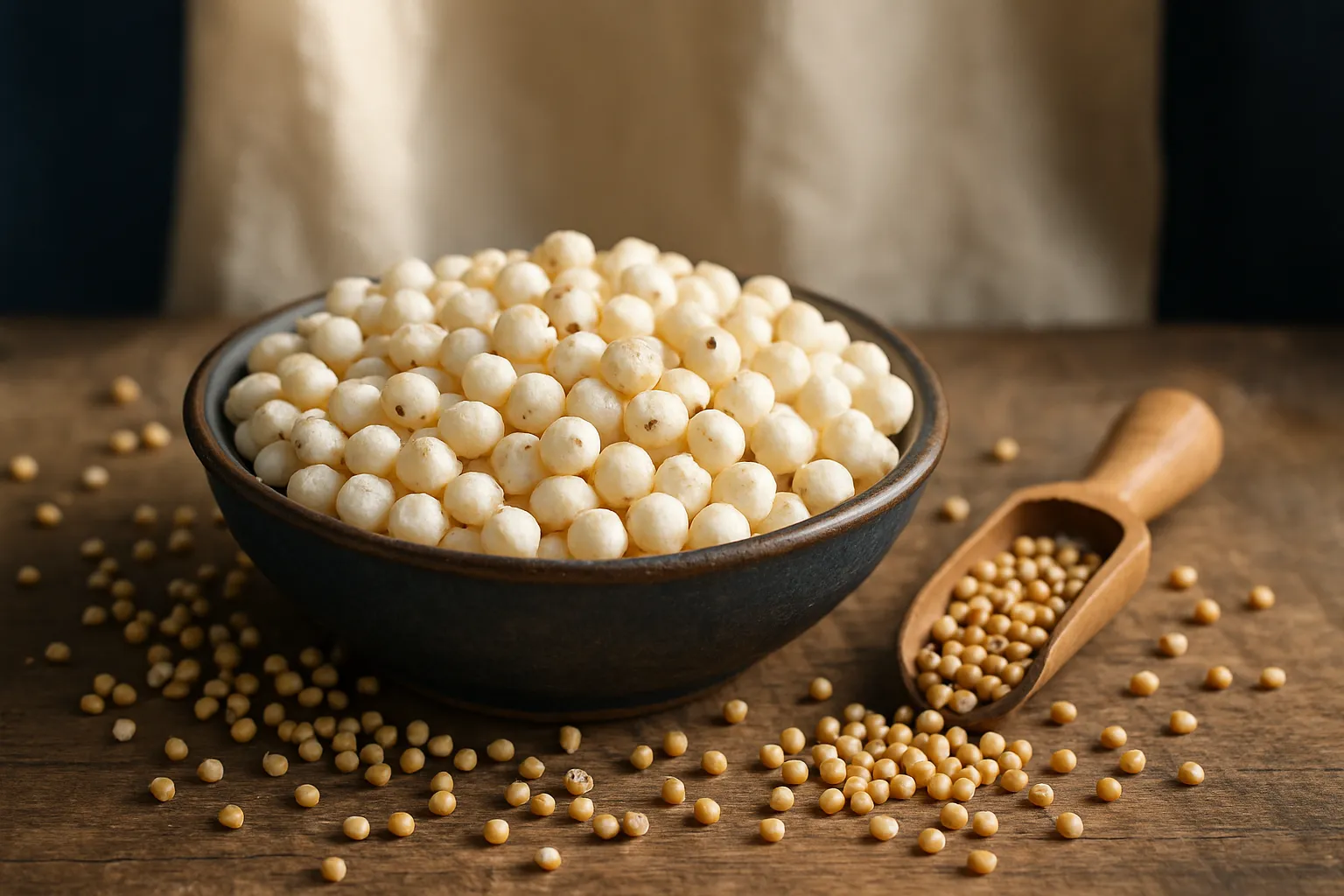
Sorghum is a nutrient-dense ancient grain offering 10g protein and 6g fiber per cup, plus powerful antioxidants and natural gluten-free status. It's drought-tolerant and sustainable, making it an environmental winner. SORGO pops this whole grain into hull-free Mini Pops for a better-for-you snack.
What are the health benefits of sorghum?
One cup of cooked sorghum delivers 10 grams of protein, 6 grams of fiber, and significant amounts of iron, magnesium, and B vitamins.
Sorghum punches above its weight nutritionally. You get more protein per serving than rice or quinoa, plus enough fiber to keep your digestive system happy.
The whole grain structure means you're eating the bran, germ, and endosperm together. Nothing stripped away, nothing processed out. That's where the real nutrition lives: antioxidants, minerals, and slow-burning complex carbohydrates that won't spike your blood sugar like refined grains do.
Is sorghum actually gluten-free?
Sorghum is naturally gluten-free because it's not related to wheat, barley, or rye, the three grains that contain gluten proteins.
Yes, completely. Sorghum is a different species entirely (Sorghum bicolor), so there's no gluten hiding in there. It's safe for people with celiac disease or gluten sensitivity.
Unlike oats, which are often contaminated with wheat during processing, sorghum doesn't typically grow near gluten-containing crops. Most sorghum products test well below the 20 parts per million threshold required for gluten-free certification.
What makes sorghum more sustainable than other grains?
Sorghum requires 50% less water than corn to grow and thrives in drought conditions where other crops fail.
Sorghum evolved in Africa, so it's built for heat and dry conditions. It has an extensive root system that pulls moisture from deeper soil layers, meaning farmers can grow it without constant irrigation.
The grain also sequesters carbon efficiently and improves soil health when rotated with other crops. In a world facing water scarcity and climate change, sorghum is one of the smartest crops we can grow. It delivers serious nutrition without draining our resources.
Does sorghum have more antioxidants than other grains?
Certain sorghum varieties contain more antioxidants than blueberries, with phenolic compounds that combat inflammation and oxidative stress.
The darker the sorghum kernel, the more antioxidants it contains. Black and red varieties pack the most punch, loaded with anthocyanins and tannins that protect your cells from damage.
Research shows these compounds may help reduce inflammation, support heart health, and even slow the absorption of starches and sugars. White sorghum has fewer antioxidants but still outperforms many refined grains in nutritional value.
Can sorghum help with blood sugar control?
Sorghum has a lower glycemic index than white rice or wheat bread, causing slower and more gradual blood sugar increases.
The combination of fiber, protein, and resistant starch in sorghum slows digestion. Your body breaks it down gradually, avoiding the blood sugar roller coaster you get from refined carbs.
Studies on sorghum consumption show improved glycemic response compared to wheat-based foods. For people managing diabetes or anyone trying to maintain stable energy, sorghum offers a solid advantage over quick-burning grains.
How does popped sorghum compare to popcorn nutritionally?
Popped sorghum provides similar whole grain benefits to popcorn but in a smaller, hull-free form that's easier to digest.
When you pop sorghum, you keep all the nutritional benefits of the whole grain in a snackable form. The popping process doesn't destroy the fiber, protein, or antioxidants. You're getting the same nutrients, just in crunchy mini form.
The key difference is the hull. Popcorn's tough outer shell is what gets stuck in your teeth and can irritate sensitive digestive systems. Popped sorghum has virtually no hull, so you get all the crunch without the annoying aftermath. SORGO Mini Pops take advantage of this by popping whole grain sorghum into tiny, smooth pieces that are easy on your mouth and your gut. Check them out at sorgosnacks.com/shop, bags coming soon.
Quick answers
Is sorghum healthier than rice?
Yes, sorghum contains more protein, fiber, and antioxidants than white or brown rice. It also has a lower glycemic index, making it better for blood sugar control. Sorghum is naturally gluten-free and delivers more sustained energy.
Can you eat sorghum every day?
Yes, you can eat sorghum daily as part of a balanced diet. It's a whole grain that provides essential nutrients without any known negative effects from regular consumption. Rotate it with other whole grains for nutritional variety.
Does sorghum cause inflammation?
No, sorghum actually has anti-inflammatory properties due to its high antioxidant content. Research suggests the phenolic compounds in sorghum may help reduce inflammation rather than cause it.
Is sorghum good for weight loss?
Sorghum can support weight loss due to its high fiber and protein content, which promote satiety and reduce overall calorie intake. Its low glycemic index also helps stabilize blood sugar and reduce cravings.
What does sorghum taste like?
Sorghum has a mild, slightly sweet, neutral flavor similar to wheat berries. When popped, it tastes like a lighter, smoother version of popcorn with a subtle nuttiness and no bitter aftertaste.