
Sorghum Grain: The Ancient Superfood That Pops Like Popcorn
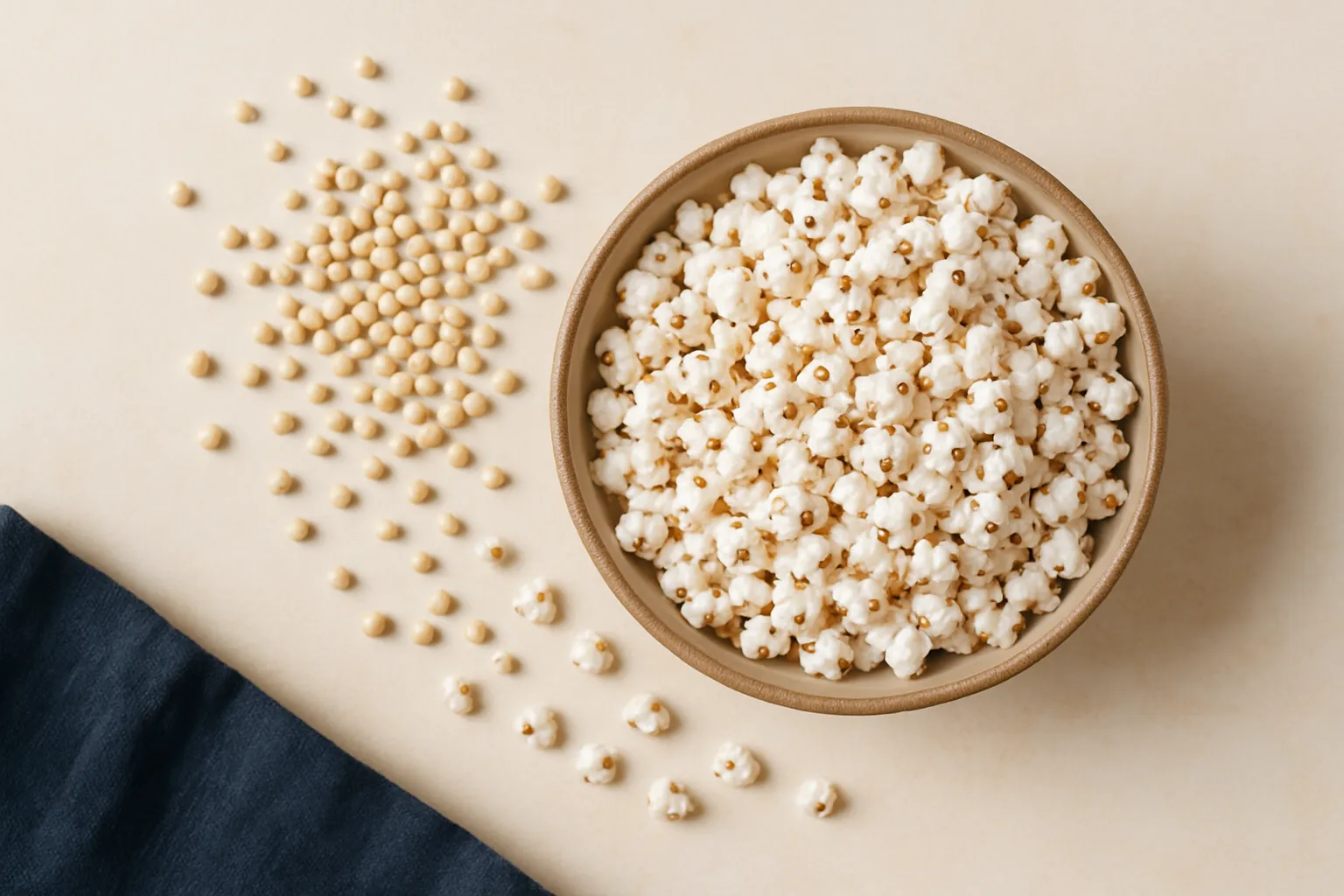
Sorghum grain is an ancient cereal grain (Sorghum bicolor) that's naturally gluten-free, high in fiber, and packed with nutrients. It's incredibly drought-tolerant, making it a sustainable crop choice. You can cook it like rice, mill it into flour, or pop it like popcorn. SORGO turns sorghum grain into crunchy Mini Pops snacks.
What is sorghum grain?
Sorghum grain (Sorghum bicolor) is a gluten-free ancient cereal grain that has been cultivated for over 5,000 years.
Sorghum grain is a small, round cereal grain that looks similar to wheat berries but ranges from white to red to brown depending on the variety. It's been a dietary staple across Africa and Asia for thousands of years, and it's now gaining popularity in the U.S. as a gluten-free whole grain alternative.
The grain grows on tall grass-like plants that can reach 6 to 12 feet high. Each plant produces clusters of seeds (the sorghum grain) that you can harvest, cook, mill into flour, or pop into a crunchy snack.
Unlike wheat or barley, sorghum is naturally 100% gluten-free, making it safe for people with celiac disease or gluten sensitivity. The whole grain contains the bran, germ, and endosperm, which means you get all the fiber and nutrients in every bite.
What are the health benefits of sorghum grain?
Sorghum grain delivers 6 grams of protein and 6 grams of fiber per cooked half-cup serving, along with significant amounts of iron, phosphorus, and B vitamins.
Sorghum packs a serious nutritional punch. A half-cup of cooked sorghum provides about 160 calories, 6 grams of protein, 6 grams of dietary fiber, and virtually no fat. That fiber content is higher than brown rice and most other common grains.
The grain is rich in antioxidants, particularly phenolic compounds that give darker varieties their color. These antioxidants help fight inflammation and oxidative stress in your body. Sorghum also contains resistant starch, which acts as a prebiotic and feeds the beneficial bacteria in your gut.
Because sorghum is a whole grain with a low glycemic index (around 50), it doesn't spike your blood sugar the way refined grains do. This makes it a smart choice for managing blood sugar levels and maintaining steady energy throughout the day.
Why is sorghum grain considered sustainable?
Sorghum requires 30% less water than corn and can tolerate drought conditions that would devastate other grain crops.
Sorghum is one of the most drought-tolerant crops on the planet. The plant has an extensive root system that can reach water deep in the soil, and it goes dormant during dry periods, then resumes growth when moisture returns. This makes it ideal for growing in hot, dry climates without intensive irrigation.
The crop also requires fewer pesticides and fertilizers compared to corn or wheat. Sorghum grows well in marginal soils and has natural pest resistance. These factors reduce the environmental impact and make it a more sustainable choice for farmers facing climate challenges.
As water scarcity becomes a bigger concern globally, sorghum grain offers a viable solution. You can grow more food with less water, which matters for feeding a growing population without depleting precious water resources.
How do you cook sorghum grain?
Cooking whole sorghum grain is similar to cooking rice or barley, but it takes longer. Rinse one cup of sorghum, then combine it with three cups of water or broth in a pot. Bring to a boil, reduce to a simmer, cover, and cook for 50 to 60 minutes until the grains are tender but still slightly chewy.
Cooked sorghum has a mild, nutty flavor and a texture similar to Israeli couscous or wheat berries. You can use it as a base for grain bowls, add it to soups and salads, or serve it as a side dish like you would rice or quinoa.
You can also pop sorghum grain for a crunchy snack. When heated, the moisture inside the kernel turns to steam and explodes the grain into a tiny pop, much smaller than popcorn and with no hull. The result is a light, crunchy bite that won't get stuck in your teeth.
What does sorghum grain taste like?
Whole sorghum grain has a mild, slightly sweet, nutty flavor that's less assertive than quinoa or buckwheat. The taste is neutral enough to take on whatever seasonings or sauces you pair it with, making it versatile for both savory and sweet dishes.
When you pop sorghum grain, the flavor becomes lighter and slightly toasted, similar to popcorn but more delicate. The small size and absence of hulls give popped sorghum a smoother mouthfeel than popcorn, with no tough bits to chew through or get stuck in your teeth.
Where can you buy sorghum grain?
You can find whole sorghum grain in the bulk bins or grain aisle of most natural food stores and many major grocery chains. Brands like Bob's Red Mill and Arrowhead Mills sell bagged whole grain sorghum online and in stores. Sorghum flour is also widely available if you want to use it for baking.
If you want to try popped sorghum without doing the popping yourself, SORGO makes it easy. SORGO Mini Pops are ready-to-eat popped sorghum snacks that come in flavors like Sea Salt + Butter, White Cheddar, and Spicy Chilli. They're naturally gluten-free, whole grain, and non-GMO.
Check out sorgosnacks.com/shop to order SORGO Mini Pops. Bags are coming soon, so you can enjoy this ancient grain in its crunchiest, most delicious form.
Is sorghum grain the same as sorghum syrup?
No, sorghum grain and sorghum syrup come from the same plant but are different products. Sorghum grain refers to the seeds harvested from grain sorghum varieties, which you cook, mill, or pop. These varieties are bred for high grain production.
Sorghum syrup (sometimes called sorghum molasses) comes from sweet sorghum varieties, which are bred for high sugar content in their stalks. The stalks are crushed to extract the juice, which is then boiled down into a thick, sweet syrup similar to molasses or honey.
Both products come from Sorghum bicolor, but they're cultivated and processed differently. When people talk about sorghum as a superfood grain, they're referring to the grain itself, not the syrup.
Quick answers
Is sorghum grain gluten-free?
Yes, sorghum grain is naturally 100% gluten-free. It's a safe whole grain option for people with celiac disease, gluten sensitivity, or anyone avoiding gluten.
Can you pop sorghum grain like popcorn?
Yes, you can pop sorghum grain. When heated, the moisture inside turns to steam and the kernel explodes into a small pop. Popped sorghum is much smaller than popcorn and has no hull, so nothing gets stuck in your teeth.
How much protein is in sorghum grain?
A half-cup serving of cooked sorghum grain contains about 6 grams of protein, along with 6 grams of fiber. It's a good plant-based protein source, though not as high as quinoa or lentils.
What is sorghum grain used for?
Sorghum grain is used in many ways: cooked whole as a rice alternative, ground into gluten-free flour for baking, fermented for beer and spirits, used as animal feed, and popped for snacks. It's a versatile ancient grain.
Does sorghum grain need to be soaked before cooking?
Sorghum grain doesn't require soaking, but soaking it for 6 to 8 hours can reduce cooking time by about 10 to 15 minutes. Rinse the grain before cooking whether you soak it or not.
Keep reading
Is Sorghum Gluten Free? What You Need to Know
Yes, sorghum is completely gluten free. This ancient cereal grain contains zero gluten proteins, making it safe for people with celiac disease and gluten sensitivity. SORGO uses popped sorghum to make Mini Pops, a naturally gluten-free snack that's whole grain, non-GMO, and hull-free.
Read it →Sorghum vs Popcorn: The Crunch-Off
Popped sorghum and popcorn are both whole grains that pop the same way — but sorghum pops are about a quarter of the size, have zero hulls, and deliver a smoother, lighter crunch. Popcorn wins on availability and nostalgia; sorghum wins on no teeth mess, bite-sized snackability, and a cleaner finish.
Read it →