
Sorghum Nutrition: Complete Breakdown of This Ancient Grain
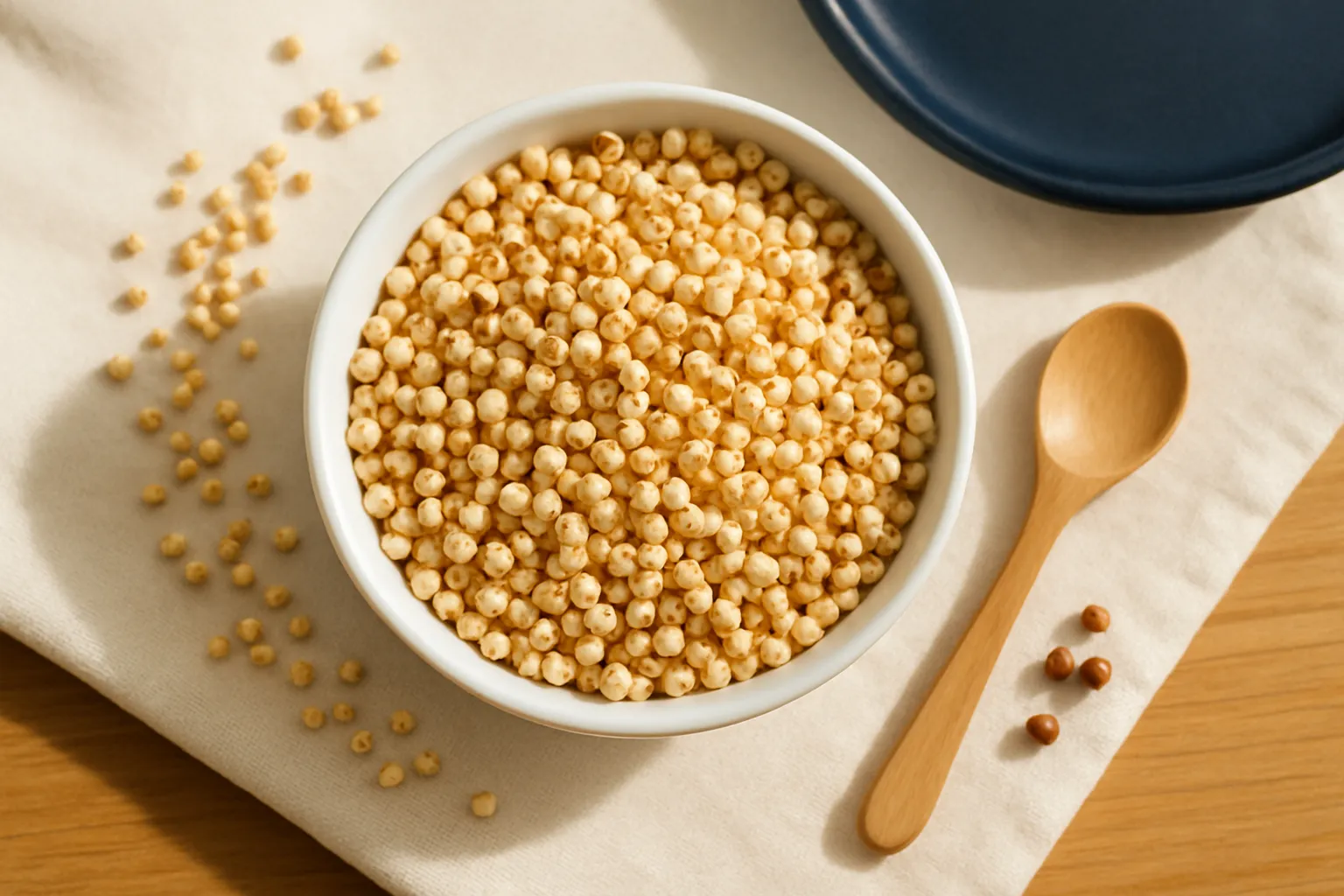
Sorghum is a nutrient-dense whole grain that provides 10 grams of protein and 6 grams of fiber per cooked cup, along with iron, B vitamins, magnesium, and powerful antioxidants. Naturally gluten-free and low-glycemic, sorghum offers similar nutrition to quinoa but with a lower environmental footprint. SORGO Mini Pops deliver whole grain sorghum nutrition in a crunchy, snackable form.
What are the nutritional facts for sorghum?
One cup of cooked whole grain sorghum contains 217 calories, 10 grams of protein, 6 grams of fiber, and less than 2 grams of fat.
Sorghum packs serious nutrition into a small package. One cup of cooked whole grain sorghum delivers 217 calories, 10 grams of protein, 6 grams of fiber, 48 grams of carbohydrates, and 1.7 grams of fat. That fiber content is about 21% of your daily recommended intake.
The grain also provides significant minerals: 2.3 mg of iron (13% DV), 74 mg of magnesium (18% DV), 227 mg of phosphorus (18% DV), and 4.4 mg of niacin (28% DV). You get meaningful amounts of thiamin, riboflavin, and vitamin B6 too.
When you pop sorghum into a snack, the nutrition concentrates. Popped sorghum maintains the whole grain structure, keeping the bran, germ, and endosperm intact where most of the nutrients live.
Is sorghum high in protein?
Sorghum contains 10 grams of protein per cooked cup, comparable to quinoa and significantly higher than brown rice.
Sorghum holds its own in the protein department. With 10 grams per cooked cup, it matches quinoa's protein content and beats brown rice by about 5 grams. The protein quality is decent too, though like most grains it's lower in lysine.
For a plant-based protein source, sorghum offers variety beyond the usual suspects. The protein stays stable during popping too, making popped sorghum snacks a legitimate protein contributor to your diet.
What vitamins and minerals are in sorghum?
B vitamins dominate sorghum's vitamin profile. Niacin leads the pack at 28% of your daily value per cup, followed by thiamin, riboflavin, and vitamin B6. These B vitamins support energy metabolism and nervous system function.
The mineral lineup includes iron, magnesium, phosphorus, potassium, and zinc. Iron content is particularly notable for a plant food at 2.3 mg per cup, about 13% of your daily needs. Magnesium supports muscle and nerve function at 74 mg per cup.
Sorghum also contains trace minerals like selenium, manganese, and copper. These micronutrients play roles in antioxidant defense and metabolic processes throughout your body.
Does sorghum have antioxidants?
Sorghum contains some of the highest levels of antioxidants among cereal grains, particularly phenolic compounds and anthocyanins in darker varieties.
Sorghum ranks among the top cereal grains for antioxidant content. The phenolic compounds, tannins, and anthocyanins in sorghum rival those found in berries and other antioxidant-rich foods. Darker sorghum varieties contain even more.
These antioxidants help combat oxidative stress in your body. Research suggests sorghum's antioxidant compounds may have anti-inflammatory properties, though more human studies are needed to confirm specific health benefits.
The whole grain structure matters here. When you eat whole grain sorghum or popped sorghum, you get the bran layer where most antioxidants concentrate. Refined sorghum products lose much of this benefit.
Is sorghum nutrition good for weight loss?
Sorghum's combination of protein and fiber makes it filling relative to its calorie content. That 6 grams of fiber per cup slows digestion and helps you feel satisfied longer, which can support weight management goals.
The grain also has a lower glycemic index than many other grains, meaning it causes a slower, steadier rise in blood sugar. Stable blood sugar helps control hunger and energy crashes that lead to overeating.
Popped sorghum gives you volume and crunch for relatively few calories. You can enjoy the satisfying experience of munching without derailing your calorie goals, especially compared to denser snacks like nuts or chips.
How does sorghum nutrition compare to other grains?
Sorghum provides similar protein and fiber to quinoa while offering more antioxidants than most common grains including rice, wheat, and oats.
Sorghum stacks up well against the grain competition. It matches quinoa for protein, beats brown rice on fiber, and contains more antioxidants than wheat or oats. The iron content surpasses most grains except amaranth and quinoa.
Unlike wheat, barley, and rye, sorghum is naturally gluten-free. This makes it nutritionally comparable to other gluten-free options like millet and buckwheat, but with better availability and a milder taste.
The sustainability factor adds hidden nutritional value. Sorghum requires significantly less water than rice or corn, making it a more environmentally responsible choice for the same nutritional benefits.
What is the best way to get sorghum nutrition?
Whole grain sorghum gives you maximum nutrition. Cook it like rice for bowls and sides, or pop it for a crunchy snack. Both methods preserve the entire kernel, keeping all the fiber, protein, and nutrients intact.
Popped sorghum offers the most convenient form. You get whole grain nutrition in a ready-to-eat format that works for snacking, breakfast toppings, or salad crunch. The popping process concentrates nutrients per ounce compared to cooked grain.
SORGO Mini Pops deliver this nutrition in flavors you'll crave. Each bag contains whole grain popped sorghum with nothing but real ingredients, bringing you protein, fiber, and antioxidants without the gluten. Our pops are about a quarter the size of popcorn, round and hull-free, so you get all the crunch with nothing stuck in your teeth. Check out our Sea Salt + Butter, White Cheddar, and Spicy Chilli flavors at sorgosnacks.com/shop.
Quick answers
How much protein is in sorghum?
One cup of cooked whole grain sorghum contains 10 grams of protein, which is comparable to quinoa and significantly more than brown rice (5 grams per cup). Popped sorghum concentrates this protein into a lighter, snackable form.
Is sorghum a good source of fiber?
Yes, sorghum provides 6 grams of dietary fiber per cooked cup, which is about 21% of the recommended daily intake. This fiber content supports digestive health and helps you feel full longer.
Is sorghum high in carbs?
Sorghum contains 48 grams of carbohydrates per cooked cup, similar to other whole grains. However, it has a lower glycemic index than many grains, meaning it causes a slower rise in blood sugar despite the carb content.
Does popped sorghum have the same nutrition as whole grain sorghum?
Yes, popped sorghum retains the complete whole grain nutrition because the entire kernel pops, keeping the bran, germ, and endosperm intact. The popping process concentrates nutrients per ounce compared to cooked grain, making it a nutrient-dense snack.
What makes sorghum healthier than other grains?
Sorghum contains higher levels of antioxidants than most cereal grains, is naturally gluten-free, and provides a complete package of protein, fiber, B vitamins, and minerals. It also has a lower glycemic index and requires less water to grow than rice or corn.
Keep reading
What Is Sorghum? The Ancient Grain Behind the Crunch
Sorghum is a cereal grain that has been cultivated for over 5,000 years, making it one of the oldest food crops on earth. It is naturally gluten-free, non-GMO, and whole grain. SORGO uses sorghum because it pops like popcorn but produces smooth, hull-free mini pops — no teeth mess, no sharp edges, just light crunch.
Read it →Is Sorghum Gluten Free? What You Need to Know
Yes, sorghum is completely gluten free. This ancient cereal grain contains zero gluten proteins, making it safe for people with celiac disease and gluten sensitivity. SORGO uses popped sorghum to make Mini Pops, a naturally gluten-free snack that's whole grain, non-GMO, and hull-free.
Read it →Sorghum vs Popcorn: The Crunch-Off
Popped sorghum and popcorn are both whole grains that pop the same way — but sorghum pops are about a quarter of the size, have zero hulls, and deliver a smoother, lighter crunch. Popcorn wins on availability and nostalgia; sorghum wins on no teeth mess, bite-sized snackability, and a cleaner finish.
Read it →